
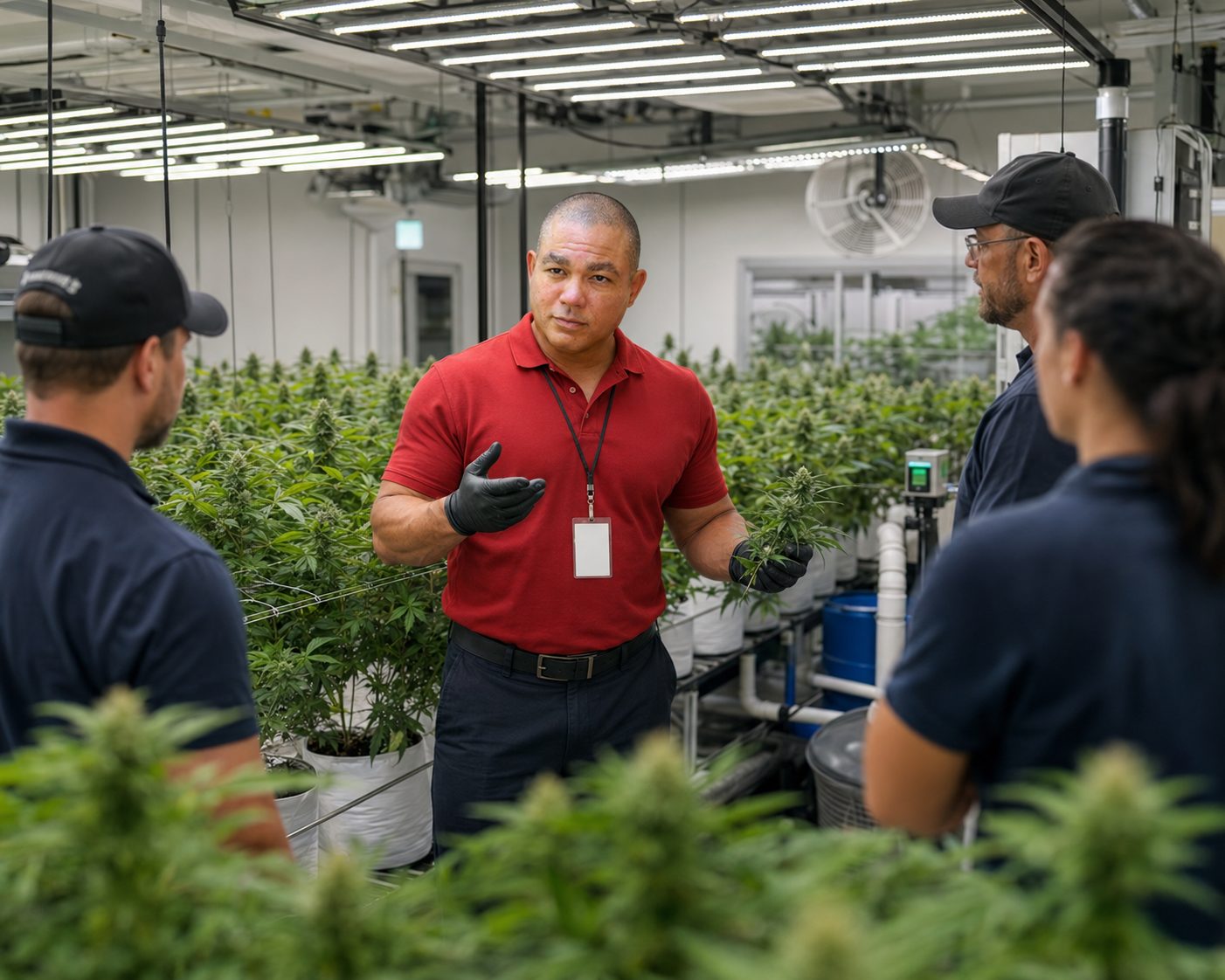
The New Federal Hemp Definition: What Section 781 Changes for Shoppers in 2026
The rules that define legal hemp are shifting. In November 2025, the Continuing Appropriations Act, 2026 (P.L. 119-37) rewrote the federal definition of hemp, and its hemp provisions (Section 781) are scheduled to take effect on November 12, 2026. According to a Congressional Research Service analysis, the change moves away from measuring only delta-9 THC on a dry-weight basis and toward a "total THC" concept, while also capping finished consumable products at no more than 0.4 milligrams of total THC per container.
In practical terms, that is a much stricter ceiling than the prior 0.3% delta-9 dry-weight threshold from the 2018 Farm Bill, and it is designed to sweep in intoxicating cannabinoids such as delta-8 that had grown from a regulatory gap. The law carves out genuine industrial hemp grown for fiber, grain, and non-cannabinoid seed derivatives. Several bills, including proposals to strike Section 781 or replace it with a regulated framework, are still moving through Congress, so the details could change before the effective date.
What does this mean for you as a shopper? Expect labels, formulations, and available products to keep evolving over the coming year, and lean harder than ever on batch-matched third-party lab reports. None of this is legal advice, and separate from any of these debates, the FDA has consistently held that CBD is not an approved food additive or dietary ingredient. These statements have not been evaluated by the Food and Drug Administration. These products are not intended to diagnose, treat, cure, or prevent any disease. Talk with your healthcare provider before using any cannabinoid product.
One more twist arrived in August 2026, and it is worth knowing before you stock up. On August 8 the Senate passed a continuing resolution (H.R. 6500) by a 90–6 vote that would push most of the Section 781 changes — including the 0.4 milligram total-THC-per-container cap and the narrowed federal hemp definition — from November 12 to December 11, 2026, roughly a 30-day cushion. The carve-out matters: under that text, the exclusion aimed at cannabinoids that cannot be naturally produced by Cannabis sativa L., such as delta-8 THC synthesized from CBD, would still take effect in November. As of mid-August the measure still needed House passage and the President’s signature, so treat every date here as a moving target and none of it as legal advice. Our practical guidance does not change with the calendar: buy from sellers who publish batch-matched third-party lab reports, and talk with your healthcare provider before starting any cannabinoid product.
Sources: Congress.gov (CRS); Congress.gov (CRS); FDA; Brewers Association — Hemp on the Hill (Aug 2026); U.S. Hemp Roundtable